
From "Mismatch" to Momentum: Practical Tools for Everyday Communication in Neurodiverse Relationships
"I just don't think we get each other anymore. I'm tired of the same arguments over and over.”
It's lonely. You know your partner is there, but you just can’t reach them.
If you've said something like that — or thought it at two in the morning when you couldn't sleep — you're not alone. And you're not wrong. That loneliness, in the middle of a relationship with someone you love, is one of the most disorienting feelings there is. You're not strangers. You chose each other. And somehow you keep ending up in the same place, having the same fight, feeling the same distance.
Bringing Your Neurodivergent Connection Back: Tips from a Neurodiversity Affirming Couples Therapist in Bethesda, MD
Here's what we want you to know before we go any further: that experience is not evidence that your relationship is broken. It's not evidence that you chose wrong. It's evidence that you're two people with different neurotypes trying to reach each other across a real and significant distance — and that nobody handed you a blueprint for how to do that.
This post is about building that blueprint. Not a generic one. Yours.
Two Banks, One River: What's Actually Getting in the Way
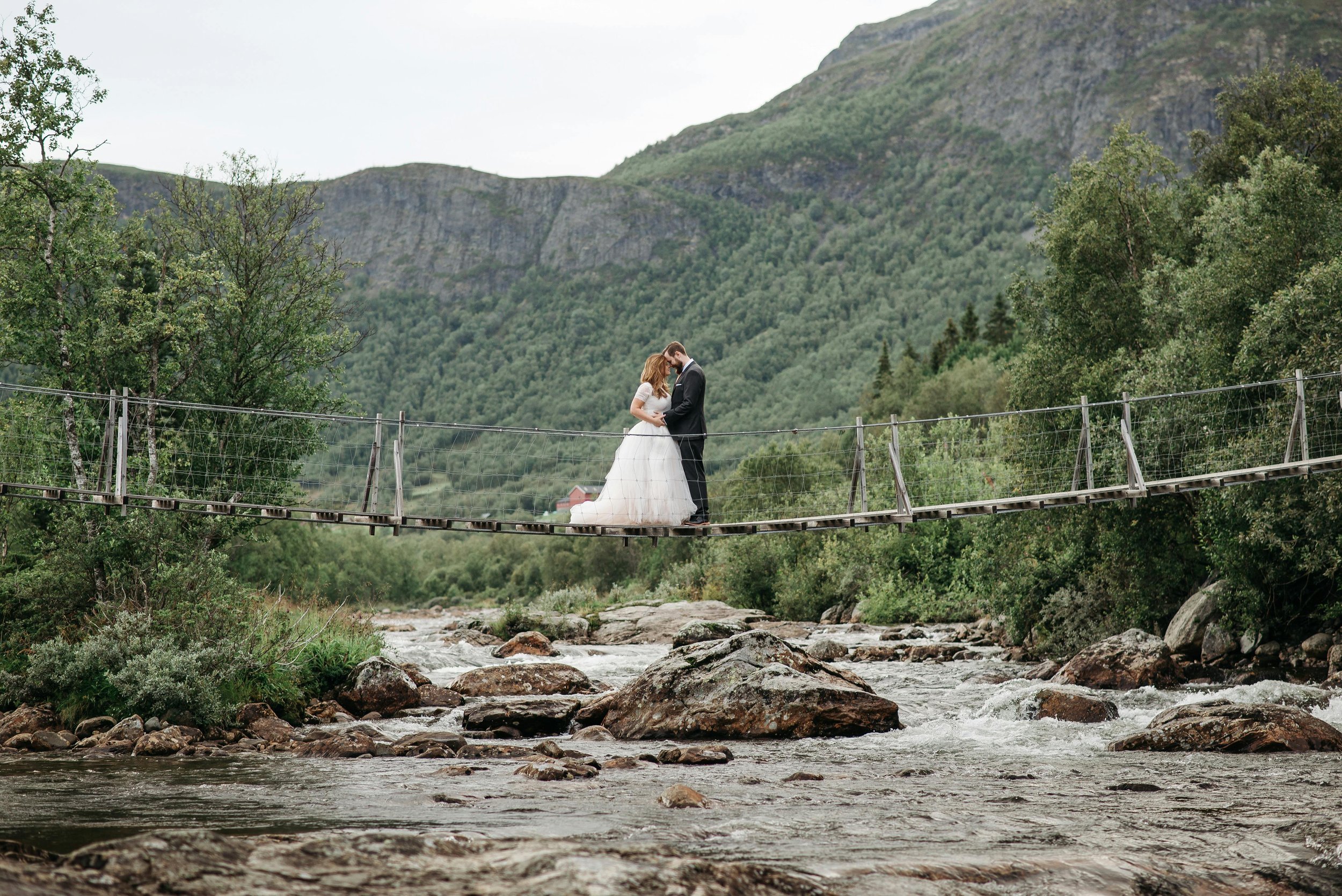
Most couples who come to us aren't arguing about right and wrong — not really. What's actually happening is that each partner is asking the other to change something that isn't easily changed. You want them to respond differently. To communicate differently. To need different things. And they want the same from you.
Here's the reframe that changes everything: those parts of yourselves that you're asking each other to change? That's the river.
The river runs through the middle of everything you do together. It's your neurotype, your nervous system, your deeply ingrained way of processing the world. It's not a flaw. It's not stubbornness. It's not something the other person is doing to you on purpose. It's just the river — and it was there before you met, and it will be there tomorrow.
You cannot move the river. But you can build a bridge over it.
Accepting the river's presence — really accepting it, not just tolerating it — is the essential first step. Because as long as you're spending energy trying to reroute the river, you don't have enough left to build the bridge.
The Rope Bridge: How Neurocomplex Communication Actually Gets Built

Building a bridge between two different neurotypes requires coordination, patience, and a willingness to throw a lot of ropes that don't make it across. And honestly, most of us struggle with all of those things! Here's what bridging neurotypes actually looks like in practice.
Imagine one partner — let's call them Partner A — wants to connect. They're standing on the river bank holding a rope. They look at their partner(s) on the other side and ask: "Do you want me to do this, or that?" A simple question. A bid for connection. Except Partner B freezes.
This isn't resistance. This isn't indifference. It turns out that being offered choices is stressful for Partner B. Their brain doesn't process options the way Partner A's does. What they actually need is for Partner A to just act — to throw the rope — and they'll shift and catch it.
Once Partner B sees that about themselves, they can say it out loud: "Don't give me choices. Just go for it and I'll respond."
Working Through the Anxiety for Greater Reward
Now Partner A has new information. But new information sometimes creates new anxiety. Partner A starts to worry: what if I do it wrong? What if I act and it's not what they wanted? They're feeling like they don't have enough instructions, enough reassurance that it's safe to throw.
So we prompt Partner B to offer that reassurance. To say, out loud: "I can handle whatever you bring."
And something shifts. Hearing that the other person is ready — that they're on the bank, watching for the rope, prepared to catch — gives Partner A enough trust to throw. The rope makes it across. Not because they did it perfectly. Because they did it together.
Now they have a sequence that works. When they get stuck, Partner B knows to say "I can handle what comes." Partner A can be authentic. Partner B can receive it. That's a rope. That's the beginning of a bridge.
Missed Connections: When the Rope Falls in the River
Ropes are going to fall in the river. That's not a warning — it's a promise. Miscommunication happens. Bids get missed. Moments of connection get fumbled. And when that happens, it's very easy to start assigning blame. You didn't catch it. I threw it wrong. The river is too wide.
When frustration takes over and you feel stuck in that blame loop, there are a few ways to reset.
Strategy #1: Coregulate
The first is to zoom in. Go back to connecting on a sensory level — hold hands, sit knee to knee, make eye contact. Coregulation is real: when two nervous systems are in proximity and one begins to settle, the other often follows. Sometimes the bridge repair starts not with words but with proximity.
Strategy #2: Look at the Big Picture
The second is to zoom out. Step back from the specific moment — the specific rope that fell — and look at the bigger picture of what you're building together. The dynamic of the moment can feel all-consuming. Pulling back and remembering the larger goal can interrupt the spiral.
The point is not to avoid the frustration. The point is to have a plan for what to do with it when it arrives.
And it will arrive. That's okay. That's just bridge building.
Practical Tools for Everyday Communication
The tools that work best for neurodiverse couples are not generic. They're built out of your specific neurotypes, your specific communication styles, your specific river. But there are a few categories of tools we come back to again and again.
1. Find a physical (word-free) way to connect — and use it constantly.
A hand on the shoulder. Sitting knee to knee. A shared signal or even a secret handshake. Something that says we're in this together without requiring either of you to find the right words in a hard moment. Physical connection activates coregulation and creates a moment of shared reality before you try to communicate anything complicated. Find your thing, and use it way more than feels necessary. It's not too much. It's the foundation.
2. Build small communication sequences that are personal to your relationship.
The rope-and-catch sequence we described above is a good example: one partner signals what they need, the other offers reassurance, and the exchange begins. Your sequences will be different — tailored to your specific neurotypes and your specific stuck points. Often they start with one partner reminding the other of something they need, or reassuring the other that they're ready to listen. The key is that these sequences are yours, and you practice them until they become second nature.
3. Define a recovery process for when things go sideways.
Every couple needs a way to get the rope out of the river. What does repair look like for you? How do you signal that you want to try again? How do you acknowledge that a bid missed without making it mean something catastrophic? Having a defined, agreed-upon process for recovering from miscommunication takes some of the emotional charge out of it. The mistake becomes a step in the process rather than evidence of failure.
4. Focus on one thing at a time. (Yes, we just said “focus” to someone with ADHD.)
This one is harder than it sounds, especially for neurodiverse couples. There is almost always a list of things that feel urgent — things you want to change, patterns you want to break, habits you want to build. The temptation is to tackle all of them at once. When you do that, you overwhelm yourself, your partner, and the process. The main thing you want to change gets lost in the noise.
Pick one thing. Commit to accepting everything else as it currently is while you focus on that thing. When that rope makes it across — reliably, consistently — you pick up the next one.
Progress That Doesn't Look Like Progress
Here's something we see all the time in couples therapy, and it matters: sometimes the clearest sign that things are getting better is something that looks, on the surface, like a problem.
A partner who usually plans carefully, who chooses their words deliberately, who almost never speaks without thinking first — suddenly says something impulsive. Something unfiltered. Something they didn't rehearse.
That's a win.
It might not land perfectly. The other partner might not receive it perfectly. But that impulsive moment is a signal that trust is growing. That safety is increasing. That the bridge is holding enough weight that this person feels, maybe for the first time, like they don't have to engineer every single word before it leaves their mouth.
Growth in neurodiverse relationships is often nonlinear and sometimes looks like regression before it looks like progress. Your therapist's job is to help you see those moments for what they are — not to evaluate them by whether they went smoothly, but by what they tell you about where you are.
You threw a rope. It made it across. Even if you're not sure yet.
Ready to Start Building?
If any of this resonated — if you recognized yourself or your relationship in the rope that fell in the river, or the partner who froze at too many choices, or the loneliness of trying so hard and still missing each other — we'd love to talk.
At Better Together Family Therapy, we work with neurodiverse couples throughout Maryland and the DC metro area, including Bethesda, to build the kind of communication that actually fits the relationship you have — not a generic version of the relationship someone else said you should have.
Learn more about our approach to neurodiversity-affirming relationship counseling in Maryland, or reach out to get started. And if you want the bigger picture of what this work looks like, start with our post: Relationship Counseling Maryland: Neurodiversity-Affirming Therapy for Couples and Families in Bethesda.
You've been trying hard for a long time. Let's make the trying count.

Robin Brannan is an expert neurodiversity affirming family therapist who has been helping neuroexceptional families thrive for over twenty five years. She guides parents, children, individual adults, and partners in connecting with each other, healing from past misunderstandings, and using their strengths to build the life they want. Her work is playful, culturally responsive, and designed to bring joy to you and your family. She directly supervises every therapist on the team at Better Together Family Therapy, and her commitment to high quality culturally responsive care is clearly reflected in this team.
Explore her specialties including Neurodiversity Affirming Therapy, LGBTQIA+ Affirming Therapy, and Child and Family Therapy. Learn more about my approach on my About page.
